The Hardest Part of Breeding#
Raising a litter of Maine Coon kittens is physically exhausting, but placing them in homes is emotionally draining. As a breeder, you have spent twelve weeks pouring money, sleep, and love into these animals. Handing them over to a stranger requires a leap of faith, but that faith should be backed by a rigorous vetting process.
The goal of vetting is not to be an interrogator, but to be a detective. You are looking for inconsistencies. A bad owner rarely announces themselves; they hide behind enthusiasm and cash. Your job is to look past the “I want a big fluffy cat!” excitement and determine if this person is prepared for the 15-year reality of owning a high-maintenance giant.
The “Indoor Only” Conversation#
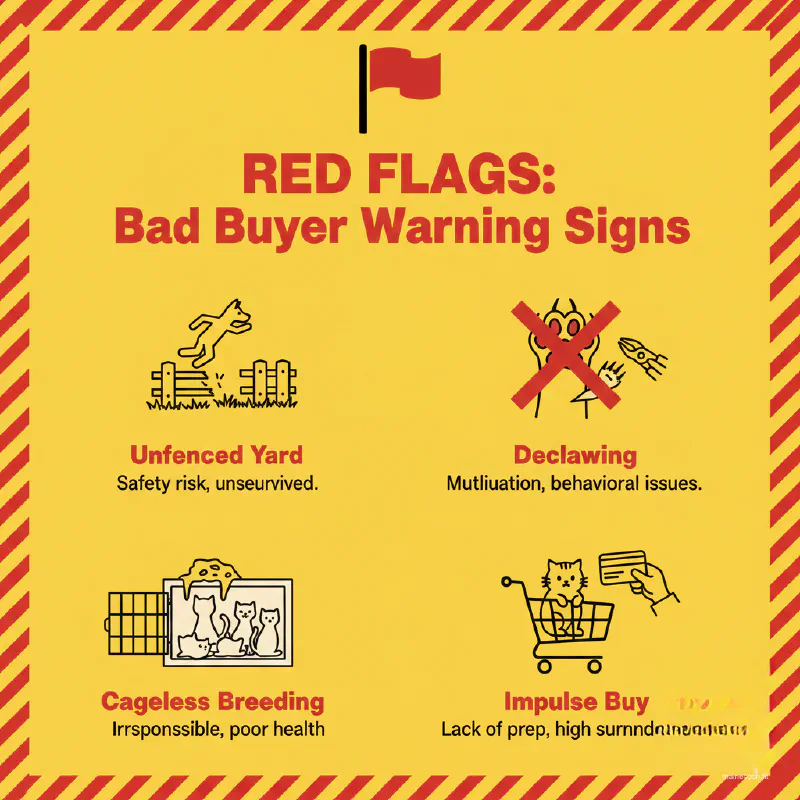
One of the first friction points in vetting is the outdoor debate. Maine Coons are valuable targets for theft and are notoriously bad at avoiding traffic. A responsible breeder must have a firm stance on outdoor access.
However, simply asking “Will the cat go outside?” is often met with a lie. A better approach is to ask, “Describe your home environment—do you have a patio or a garden?” This open-ended question often leads buyers to reveal their true intentions, such as, “Oh yes, we have a lovely unfenced backyard for him to explore.” This is your cue to educate them about Catio Safety or harness training. If they resist the idea of containment, they are likely not a safe home for your kitten.
The Financial Reality Check#
Maine Coons are expensive to buy, but they are exorbitant to own. A buyer who scrapes together the purchase price but complains about the cost of high-quality food is a major red flag.
During the interview, steer the conversation toward nutrition. Ask them what they plan to feed. If they mention generic supermarket kibble because “it’s all the same,” they are demonstrating a lack of research. This is an opportunity to discuss the nutritional needs of a large breed. A good buyer will be eager to learn; a bad buyer will be dismissive. You need to ensure they can afford the “running costs”—the large doses of flea prevention, the heart ultrasounds, and the inevitable emergency vet visits.
The “Google Earth” Vetting Trick#
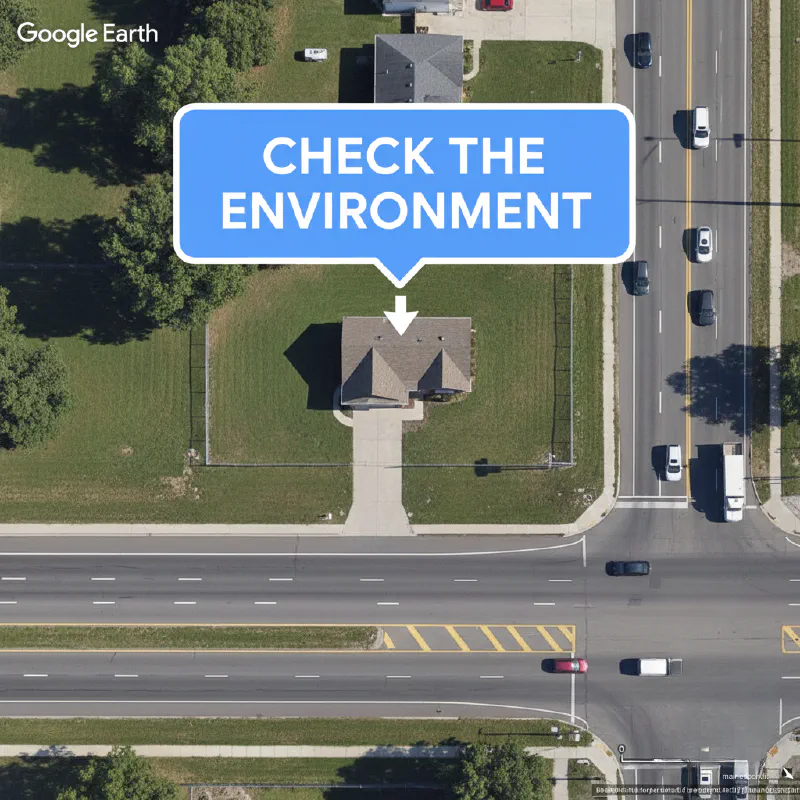
In the digital age, you have tools at your disposal to verify a buyer’s story. One of the most effective is Google Earth. If a buyer claims to live in a quiet cul-de-sac with a fenced yard, but the satellite view shows a home backing onto a four-lane highway, you have a discrepancy.
This isn’t about stalking; it’s about safety. You can verify if the environment is suitable for a cat. Is there a swimming pool? (Drowning risk). Is it a high-density apartment complex? (Potential noise stress). Use this information to tailor your interview questions. For example, “I see you have a pool; what precautions do you have in place to prevent the kitten from falling in?”
The “Gift” Buyer#
Be instantly wary of anyone buying a kitten as a “surprise” for a spouse or child. A 20-pound cat is not a surprise; it is a lifestyle change.
The primary caregiver must be part of the process. If a husband is buying for a wife, you need to speak to the wife. If a parent is buying for a child, you need to assess if the parent is ready to do the actual work. Maine Coons are heavy and can be clumsy; they are not always suitable for toddlers. A responsible breeder ensures that every adult in the household is on board and understands the commitment.
Summary#
Trust your gut. If a buyer says all the right things but something feels “off,” deny the sale. You are the only advocate these kittens have. It is better to lose a sale than to spend the next decade wondering if your kitten is safe.
Royal Canin Maine Coon Kitten Food
A good test for buyers: Are they willing to buy the premium food you recommend? If not, they may cut corners on health later.
Check Price on Amazon →References#
- Breeding Pedigreed Cats - CFA Breeder Mentorship Program.
- The Ethics of Hobby Breeding - TICA.