The Bottom Line#
Bringing a Maine Coon kitten into your home is fundamentally different from adopting a standard domestic shorthair. You are not merely raising a cat; you are managing the development of a physiological outlier. This breed does not follow the standard feline growth curve, nor does it adhere to the typical behavioral milestones of smaller cats. The “kitten phase” for a Maine Coon is a four-year marathon, but the first twelve months are the most critical for establishing the orthopedic and metabolic foundation of the animal. Errors made during this window—specifically regarding caloric restriction, calcium-phosphorus balance, and high-impact exercise—can lead to permanent structural damage such as hip dysplasia or early-onset arthritis. This guide serves as a strict husbandry protocol for the first year, designed to navigate the “Velociraptor Phase,” the teething crisis, and the awkward lanky stage without compromising your giant’s long-term health.
Phase 1: The Arrival and the Immune Gap (Months 3-4)#
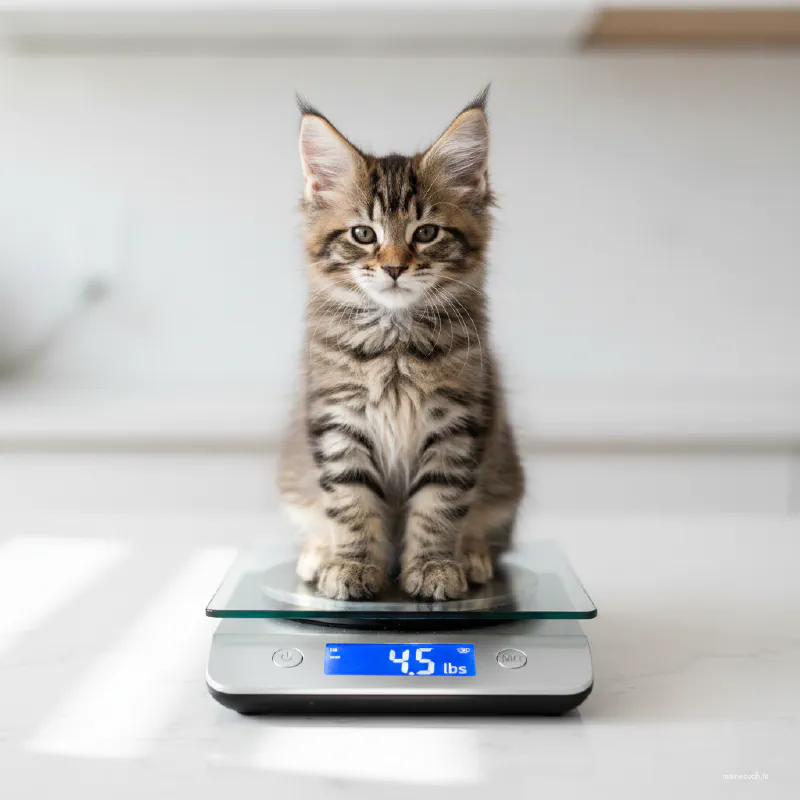
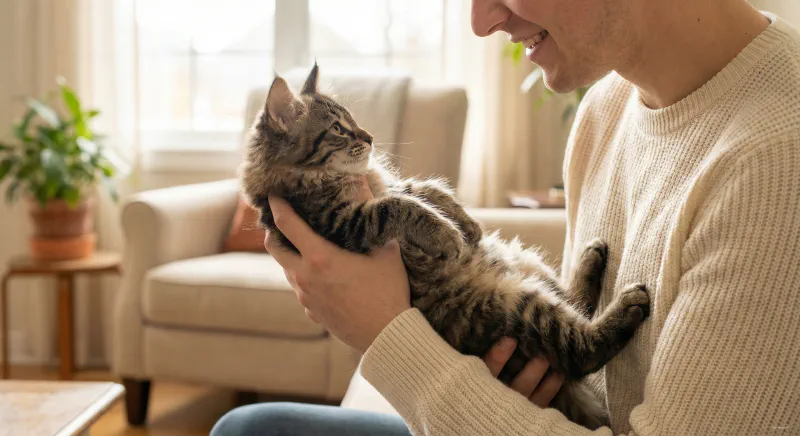
Ethical breeders typically keep Maine Coon kittens until they are between 12 and 14 weeks of age. While this may seem excessive to an owner eager to bring their new pet home, this extended stay with the mother and littermates is non-negotiable for proper socialization and immune system development. When the kitten finally arrives at your door, they are transitioning through a biological window often called the “Immune Gap,” where the maternal antibodies have faded, but their own immune system is not yet fully robust. This makes stress management the primary concern during the first weeks.
The appetite of a 14-week-old Maine Coon is staggering and often shocks new owners. Unlike standard kittens that might graze politely, a Maine Coon in this phase is a metabolic furnace. They are in a state of rapid skeletal elongation, building heavy bone density that requires immense amounts of fuel. You simply cannot overfeed a Maine Coon kitten during this window. The gold standard protocol is “Free Feeding” for dry kibble, meaning the bowl is never allowed to go empty. This ensures that the kitten typically consumes small meals every few hours, stabilizing their blood sugar and fueling the growth spurts that often happen overnight.
This dry food base must be supplemented with high-quality wet food at least three to four times a day. The wet food provides the necessary hydration to protect kidney function. When selecting a diet, you must ignore the marketing on the front of the bag and read the crude analysis on the back. You are looking for a minimum protein content of 40% or higher. You are building the chassis of a 20-pound predator; generic “All Life Stages” food is often insufficient for this specific explosive growth period. You specifically need high levels of DHA for cognitive development and a precise balance of calcium and phosphorus to ensure the long bones grow slowly and steadily rather than in brittle spurts.
Litter box logistics are the second immediate hurdle. Do not waste money on a standard “kitten pan” or even a regular cat box. A four-month-old Maine Coon is already the size of a normal adult cat. By month six, they will be urinating over the side of a small box, not out of malice, but because they physically cannot fit inside. You should begin immediately with a large, high-sided storage container or an XL commercial litter system. The digging instinct in this breed is profound and ancestral; they require depth to bury waste effectively.
Phase 2: The “Velociraptor” Phase (Months 5-7)#
The sweet, sleepy ball of fluff you brought home will vanish around month five. In its place appears a creature characterized by high energy and oral fixation. This period is characterized by two distinct and challenging biological events: the loss of deciduous teeth (teething) and a massive spike in prey drive energy. This is statistically the most common age for owners to contact breeders in a panic, wondering if their cat is aggressive. It is crucial to distinguish between aggression and the uncomfortable physiological process of teething combined with high energy.
As the adult teeth erupt and push out the baby teeth, the kitten experiences significant gum inflammation and discomfort. They will seek to relieve this pressure by chewing indiscriminately on anything with resistance. This includes electrical cords, furniture legs, shoes, and, most painfully, human fingers and toes. It is imperative that you never use your hands or feet as toys during this phase. Teaching a 15-pound kitten that biting human flesh is a game is a recipe for a dangerous situation when that cat becomes a 25-pound adult.
⚠️ Image not found: /assets/maine-coon-kitten-teething-toy.png
Instead of discipline, which often backfires with this sensitive breed, you must use redirection. When the kitten initiates a bite, immediately offer a silvervine stick or a durable rubber chew toy. You are acknowledging their need to chew while correcting the target. This is also the time to channel their prey drive into appropriate outlets. The “hunt-catch-kill-eat” cycle is hardwired into their brain. Engage them with wand toys in high-intensity bursts until they are panting, allow them to “catch” the lure, and then immediately feed them a meal or a high-value treat.
Phase 3: The “Lanky Teenager” Phase (Months 8-12)#
Between eight and twelve months, the kitten undergoes a dramatic physical transformation. They lose their “fluff” and enter the awkward adolescent stage. The body elongates disproportionately, resulting in a cat that looks like a collection of mismatched parts. The tail may seem absurdly long, the ears huge and bat-like, and the body rib-thin despite consuming massive calories. This is the “Lanky Stage,” and it is entirely normal. The body is prioritizing skeletal length over muscle mass.
The coat transition during this period is the most common failure point for grooming. The soft, downy kitten coat begins to shed out as the glossy, heavy adult guard hairs grow in. The friction between these two distinct coat textures creates severe matting, particularly in high-friction areas like behind the ears, under the armpits (axillae), and on the “pantaloons” of the rear legs. If you do not comb the cat daily during this transition, the mats will tighten against the skin, causing pain and eventually necessitating a veterinary shave-down. A slicker brush is useless here; you must use a metal greyhound comb to get down to the skin and remove the dead kitten undercoat before it locks into the new guard hairs.
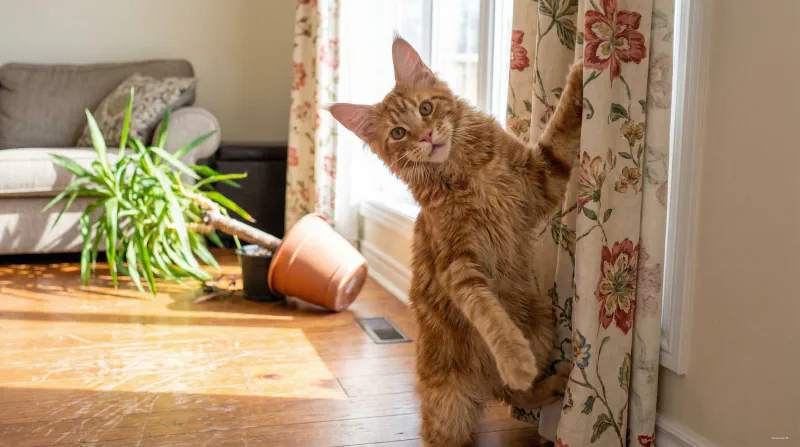
This timeframe also brings the controversial topic of sterilization. There is significant veterinary debate regarding the timing of spaying and neutering for giant breeds. While shelters typically fix kittens at eight weeks, many Maine Coon breeders and orthopedic specialists advocate waiting until six to twelve months. The sex hormones play a crucial role in signaling the growth plates to close. If these hormones are removed too early via pediatric neutering, the long bones may continue to grow beyond their genetic blueprint. This results in a taller, lankier cat that may be more prone to femoral fractures and hip issues later in life.
Environmental Safety and The “No Fear” Factor#
Maine Coon kittens possess a curiosity that often overrides their survival instincts. They will attempt to walk on banisters, jump to the top of kitchen cabinets, and investigate open toilets. You must embrace “Toddler Proofing” protocols. Keep toilet lids down, as a top-heavy kitten can fall in and drown or simply panic. Remove all lilies and toxic plants from the home immediately; a Maine Coon will chew them simply to see what they taste like. Secure your window screens with reinforced hardware. A fifteen-pound kitten hitting a standard bug screen at full speed after a fly can easily pop the screen out and fall from the window. This “High Rise Syndrome” is a leading cause of injury in the breed.
K&H Pet Products Thermo-Kitty Mat
A low-wattage heated mat for the senior stage. Place it in a safe, low spot to soothe achy joints.
Check Price on Amazon →Conclusion#
The first year is expensive, exhausting, and often messy. Your house will be covered in fur, your food bill will rival that of a teenager, and your furniture may take a beating. But this investment of time and patience is what builds the legendary bond the breed is famous for. If you put in the work now—desensitizing them to grooming, establishing boundaries without fear, and fueling their massive growth engines—you will be rewarded with a gentle, emotionally intelligent giant that will be your shadow for the next fifteen years.
References#
- Pedersen, Niels C. Feline Husbandry: Diseases and Management in the Multiple-Cat Environment. American Veterinary Publications, 1991.
- Vella, Carolyn, et al. Robinson’s Genetics for Cat Breeders and Veterinarians. Butterworth-Heinemann, 1999.
- Little, Susan. The Cat: Clinical Medicine and Management. Saunders, 2011.
- “Nutritional Risks to Large Breed Cats.” Journal of Feline Medicine and Surgery.