Feline Herpesvirus (FHV-1): Managing the Permanent Houseguest#
There is a familiar and frustrating scenario that plays out in the homes of many new Maine Coon owners. You bring home a kitten that appeared perfectly healthy at the breeder’s cattery, full of energy and bright-eyed. Yet, within forty-eight hours of arriving in their new environment, the kitten begins to sneeze violently, develops runny eyes, and seems lethargic. You rush to the veterinarian fearing a terrible mistake, only to be told that your new companion has Feline Herpesvirus (FHV-1). This diagnosis often sounds alarming, implying a sexually transmitted disease or a life-threatening condition, but in the feline world, it is closer to the ubiquitous human cold sore virus. It is not a temporary infection that is cured and forgotten; it is a permanent biological roommate that requires a lifetime of management.
Feline Viral Rhinotracheitis, commonly known as Feline Herpes, is the most frequent cause of upper respiratory infections in cats. Veterinary studies suggest that a staggering eighty to ninety percent of all cats are exposed to this virus at some point in their lives, and the vast majority become latent carriers. For the Maine Coon owner, understanding the mechanics of this latency is crucial. Unlike a bacterium that can be eradicated with antibiotics, the herpesvirus integrates itself into the cat’s physiology. After the initial infection, which usually occurs during kittenhood, the virus travels up the sensory nerve endings and retreats into the trigeminal ganglia, a nerve cluster located at the base of the brain. There it lies dormant, shielded from the immune system and undetectable by standard tests, waiting for the precise moment when the cat’s defenses are lowered.
This mechanism explains why the “new home sneeze” is so prevalent. The virus is inextricably linked to stress. When a cat undergoes a significant life change—such as leaving its mother, traveling in a car, or meeting a new dog—its body releases cortisol. This stress hormone suppresses the immune system just enough to allow the virus to wake from its dormancy in the trigeminal ganglia. The virus then travels back down the nerves to the eyes and nose, causing a flare-up of symptoms exactly when the cat is most vulnerable. Managing a Maine Coon with FHV-1 is therefore less about treating a disease and more about managing the cat’s stress levels and environmental stability.
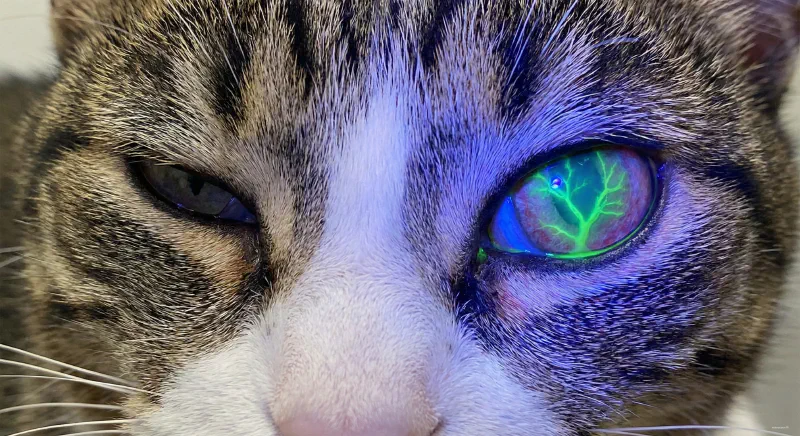
While the sneezing and nasal discharge are the most obvious symptoms, the impact of FHV-1 on the eyes is often the more serious concern for Maine Coons. The virus has a predilection for the corneal tissues, causing conjunctivitis that presents as red, swollen, and squinting eyes. In severe flare-ups, the virus actively replicates within the surface cells of the cornea, creating microscopic lesions. These can coalesce into dendritic ulcers, which are branching, tree-like sores that are intensely painful. If left untreated, these ulcers can deepen, leading to corneal sequestration—a condition where a piece of the cornea dies and turns black—or even rupture. Because Maine Coons have large, prominent eyes, they are particularly susceptible to these complications. Any sign of squinting or cloudiness in a herpes-positive cat warrants an immediate trip to the vet, as delaying treatment can result in permanent scarring or vision loss.
The cornerstone of managing chronic herpes flare-ups involves a controversial but widely used amino acid called L-Lysine. The theory behind L-Lysine supplementation is rooted in the viral replication process. To reproduce, the herpesvirus requires the amino acid Arginine. L-Lysine is chemically similar to Arginine, and when present in high concentrations, the virus mistakenly absorbs the Lysine instead. Because Lysine cannot fuel the replication machinery, the viral growth is stalled. While recent veterinary studies have shown mixed results regarding its efficacy in shelter populations, many breeders and owners report significant reduction in the severity of symptoms when L-Lysine is given as a daily preventative.
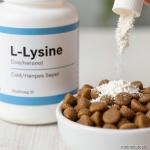
Viralys L-Lysine Powder
A staple in many catteries, this powder can be mixed into wet food to potentially inhibit viral replication during times of stress.
Check Price on Amazon →Implementing a management protocol for a herpes-positive Maine Coon requires a proactive approach to their immune health. Since we know that stress is the trigger, minimizing environmental upheaval is the best preventative medicine. This involves maintaining strict routines regarding feeding and play, as Maine Coons thrive on predictability. Utilizing synthetic pheromones, such as Feliway, can help lower the baseline anxiety in the home, effectively raising the threshold for a viral breakout. During known stress events, such as a scheduled vet visit or the introduction of a new family member, preemptively boosting the cat’s intake of L-Lysine and high-quality wet food can act as a buffer against the inevitable cortisol spike.
It is also vital to distinguish between a viral flare-up and a secondary bacterial infection. The virus damages the delicate mucous membranes of the nose and sinuses, destroying the cilia that normally sweep away debris. This creates a perfect breeding ground for bacteria. If the discharge from your cat’s nose changes from clear or white to thick, yellow, or green, the condition has progressed to a secondary bacterial infection. At this stage, supportive care and immune boosters are no longer sufficient, and a course of antibiotics such as Doxycycline or Azithromycin is typically required to clear the bacteria while the immune system suppresses the virus.
Ultimately, living with a cat that carries Feline Herpesvirus is a standard part of cat ownership. It does not mean the animal is “defective” or sickly; it simply means they have a specific vulnerability to stress. By viewing the sneezing and watery eyes not as a random illness but as a barometer of your cat’s emotional state, you can effectively manage the condition. A flare-up is a signal that your gentle giant is feeling overwhelmed, and the best prescription is often a combination of medical support and a quiet, stable environment where they can feel safe enough to let their immune system do its work.
References#
- Gaskell, R., & Povey, C. (1977). Experimental induction of feline viral rhinotracheitis virus re-excretion in FVR-recovered cats. Veterinary Record.
- Maggs, D.J. (2005). Update on pathogenesis, diagnosis, and treatment of feline herpesvirus type 1. Clinical Techniques in Small Animal Practice.
- Thiry, E. et al. (2009). Feline herpesvirus 1 infection: ABCD guidelines on prevention and management. Journal of Feline Medicine and Surgery.