Creating a Maine Coon First Aid Kit: Essentials for Giant Cats#
We have fire extinguishers for our house and spare tires for our cars. But do you have an emergency kit for your cat?
When accidents happen—a torn claw, a bee sting, or sudden vomiting—it is usually 10 PM on a Sunday. You do not want to be scrambling to find a thermometer.
For Maine Coon owners, a generic “Pet First Aid Kit” from the pet store is often insufficient. The bandages are too small. The carrier is too flimsy. The dosages are wrong.
Here is how to build a Giant Breed Trauma Kit to keep your cat safe until you can reach the vet.
(Disclaimer: I am an experienced owner, not a vet. This kit is for stabilization, not treatment. Always call your vet in an emergency.)
The “Giant” Differences#
Why build your own?
- Size: A standard 2-inch gauze wrap won’t cover a Maine Coon’s chest wound. You need wider materials.
- Handling: Restraining a panicking 22lb cat requires heavy-duty gear that standard kits don’t include.
The Essentials Checklist#
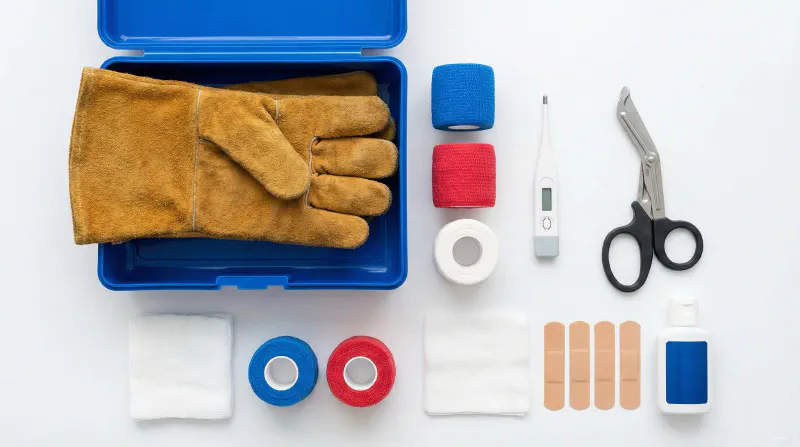
Go to a pharmacy and a hardware store to assemble this. Keep it in a waterproof tackle box labeled “CAT.”
1. Wound Care#
- 3-inch and 4-inch Vet Wrap (Cohesive Bandage): Get the wide stuff. It sticks to itself, not fur.
- Non-Stick Gauze Pads (Telfa): Standard gauze sticks to wounds.
- Styptic Powder (Kwik Stop): Maine Coon claws are huge and bleed heavily if cut too short. In a pinch, cornstarch works, but Styptic Powder also stops pain.
- Saline Solution: For flushing eyes or cleaning wounds.
- Blunt-Nosed Scissors: For cutting bandages without stabbing a squirming cat.
2. Vitals & Assessment#
- Digital Rectal Thermometer: Ear thermometers are inaccurate in cats. You need a “10-second” rapid read rigid thermometer.
- Normal Temp: 100.5°F - 102.5°F.
- Lubricant: For the thermometer.
- Penlight: To check pupil response or look into throats.
3. Restraint (Crucial for MCs)#
- The “Purrito” Towel: Keep a thick, oversized bath sheet in the kit. If your giant cat is in pain, they will bite. Wrapping them tightly in a towel is the only way to safely examine them.
- Leather Welding Gloves: I am serious. A terrified Maine Coon can bite through a human hand. If you have to handle an injured cat, protect yourself.
4. Medications (Ask Your Vet First)#
- Benadryl (Diphenhydramine): For bee stings or allergic reactions. MUST be plain Benadryl with no pain relievers or decongestants. Ask your vet for the dosage for your cat’s specific weight.
- Probiotic Paste: For sudden diarrhea stress.
The “Go-Bag” Folder#
In the lid of your kit, tape a plastic envelope containing:
- Vet Records: Vaccination proof (Rabies/FVRCP). Emergency clinics may require this.
- Medical Stats: A card listing your cat’s weight (weigh them monthly), allergies, and current medications.
- Phone Numbers:
- Your Primary Vet.
- The nearest 24-Hour Emergency Hospital (Know where this is before you need it).
- ASPCA Poison Control: (888) 426-4435.
The Carrier Factor#
The most important part of your first aid kit is the Hard-Sided Carrier.
If your Maine Coon breaks a leg or is having trouble breathing (HCM crisis), you cannot put them in a soft shoulder bag. They need a rigid surface.
- Top-Loading: In an emergency, shoving a cat through a front door is hard. Dropping them in from the top is faster and less stressful.
- Size: It must be large enough for them to lie flat without curling.
Conclusion#
We hope we never have to use this box. But owning it gives you peace of mind. When disaster strikes, you won’t be panicking; you will be reaching for the blue box, checking the thermometer, and driving calmly to the vet with a stabilized cat. That preparedness saves lives.
Resources & Further Reading#
- American Red Cross. (2023). Cat First Aid Online Training.
- AVMA. (n.d.). Pet First Aid Procedures.