Probiotics and Fiber: Managing the Sensitive Maine Coon Stomach#
It is the topic no one wants to discuss at a dinner party, but every Maine Coon owner talks about in private: The Poop.
Maine Coons are notorious for having sensitive stomachs. The “Maine Coon Cow Patty”—a soft, unformed stool—is common, especially in kittens and stressed adults. Assuming you have ruled out parasites (see our Parasite Guide), the culprit is often a lack of Gut Flora or Fiber.
The “Sterile Gut” of the Kitten#
Kittens are born with sterile guts. They acquire their microbiome from their mother and their environment. In a cattery environment, where antibiotics are often used to control URI (colds), the “Good Bacteria” (microbiome) gets nuked along with the bad.
- Result: Dysbiosis. The gut can’t process food properly, leading to diarrhea.
The Fix: Probiotics You need a probiotic that survives stomach acid.
- Enterococcus faecium (found in FortiFlora) is the standard.
- Saccharomyces boulardii (a yeast) is the “heavy gun” for intractable diarrhea. It acts like a sponge for toxins.
The Fiber Factor: Pumpkin vs. Psyllium#
In the wild, cats eat fur and feathers. This is their fiber. In your kitchen, they eat paté. Without fiber, the stool doesn’t bulk up.
- Canned Pumpkin: (Not pie filling). Soluble fiber. Absorbs excess water in the gut. Great for mild loose stool.
- Psyllium Husk: The big gun. It gels up the stool. Half a teaspoon can turn a puddle into a log overnight.
The “Hairball” Connection#
Maine Coons swallow vast amounts of hair. If that hair doesn’t pass, it irritates the stomach lining (Gastritis), causing vomiting or loose stool. Fiber grabs the hair and drags it out the back door. A high-fiber diet is actually a hairball remedy.
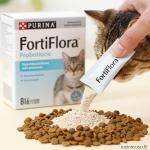
Purina FortiFlora Probiotic Supplement
The #1 vet-recommended probiotic. Highly palatable (cats love the taste). Essential for weaning kittens or any cat on antibiotics.
Check Price on Amazon →Conclusion#
A soft stool is not “normal” for a Maine Coon. It is a sign of an unhappy gut. Before you switch foods for the tenth time, try adding a probiotic and a pinch of psyllium. Your litter box scooping duty will get a lot easier.
References#
- Pedersen, N.C. Feline Husbandry. “Nutrition and Nutritional Disorders,” p. 325.
- Winn Feline Foundation. Feline Microbiome Studies.
- Simpson, K.W. Probiotics in the management of feline gastrointestinal disease.
- CatInfo.org. Constipation and Fiber.