Raw vs. Kibble: Evaluating the Best Diet for the Maine Coon#
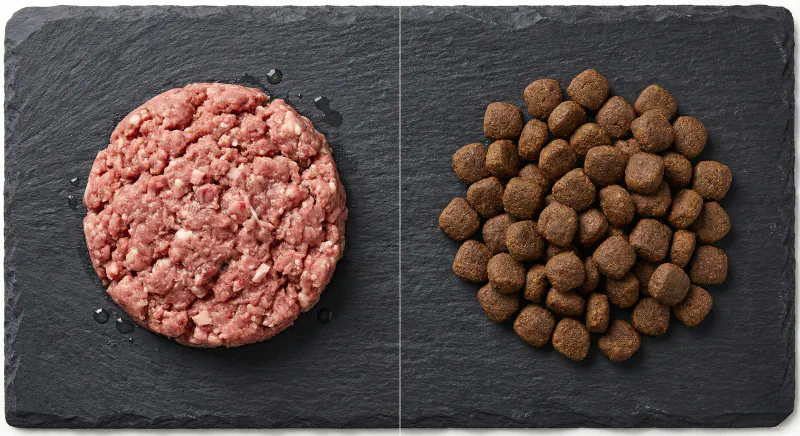
The debate between feeding a raw, biologically appropriate diet (BARF) and a commercially prepared kibble (dry food) is one of the most contentious in the feline community. For the Maine Coon, this decision carries unique weight, as their massive size, prolonged growth timeline, and specific health predispositions demand optimal nutrition. Both diets have distinct benefits and serious drawbacks that owners must weigh carefully, always guided by the fact that the Maine Coon is an obligate carnivore requiring high protein and high moisture.
1. High-Quality Kibble: Convenience and Consistency#
High-quality kibble offers the advantages of convenience, long shelf life, and generally guaranteed nutritional completeness according to AAFCO (Association of American Feed Control Officials) standards.
Pros:#
- Convenience & Cost: Easy to store, measure, and is significantly cheaper than a prepared raw diet.
- Nutritional Completeness: AAFCO-certified kibble ensures all essential vitamins, minerals, and amino acids (like Taurine, crucial for heart health—as discussed in Hypertrophic Cardiomyopathy (HCM): Understanding the Maine Coon’s Genetic Heart Risk) are present in the correct ratios.
Cons:#
- Low Moisture: This is the greatest disadvantage. Kibble contains only 5-10% moisture, directly contributing to chronic dehydration and stressing the urinary tract and kidneys (a key issue detailed in Fueling the Giant: The Ultimate Maine Coon Nutrition Guide (2025)).
- High Carbohydrates: To hold its shape, kibble requires starches and carbohydrates (often 25-40%), which are unnatural fillers for an obligate carnivore. This increases the risk of obesity, which exacerbates orthopedic issues like Hip Dysplasia.
2. Raw Food (BARF): Mimicking Nature#
The raw diet seeks to replicate the natural prey consumption of a cat, consisting of meat, bones, organs, and minimal plant matter.
Pros:#
- Superior Moisture Content: Raw meat has a natural moisture content of 70-75%, ensuring excellent hydration and promoting urinary health.
- High Digestible Protein: Raw protein is highly digestible and bioavailable, supporting the massive musculature and growth rate of the Maine Coon.
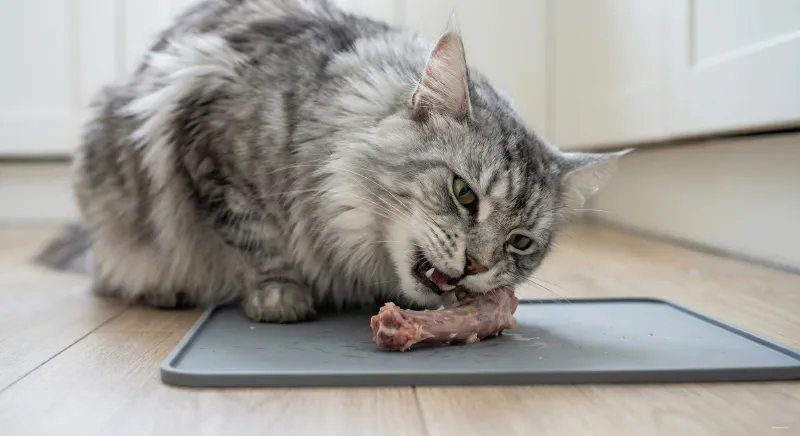
- Dental Benefits: Chewing raw, meaty bones provides the best natural cleaning action, scraping tartar off teeth, far surpassing the negligible effect of dry kibble.
Cons:#
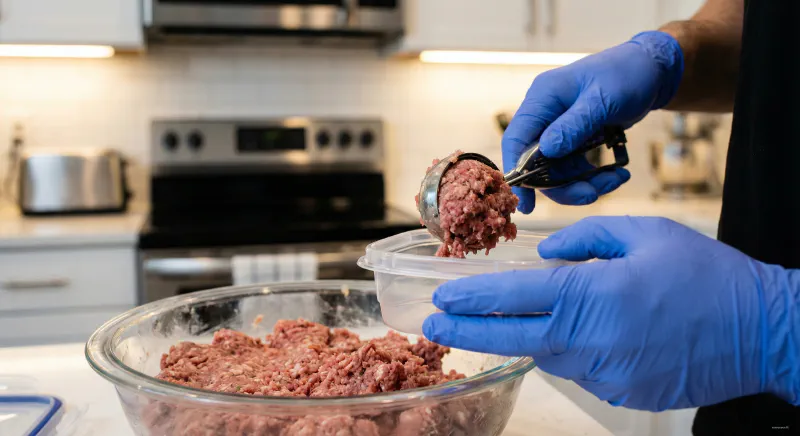
- Safety Risks: The risk of bacterial contamination (Salmonella and E. coli) is high, posing risks to both the cat and the human handlers, requiring strict hygiene during preparation.
- Nutritional Imbalance: DIY raw diets are notoriously difficult to balance. Incorrect calcium:phosphorus ratios or insufficient organ meat can lead to severe mineral deficiencies and bone abnormalities. This is especially dangerous during the Maine Coon’s five-year growth phase.
- Cost and Time: It is time-consuming to prepare and significantly more expensive.
[ADSENSE-AD-PLACEMENT-1]
3. The Compromise: Hydration is Non-Negotiable#
For many Maine Coon owners, a compromise diet—mixing the convenience of commercial food with the necessary moisture of raw or canned food—is the safest and most practical choice.
The Hybrid Approach#
- Canned Food Foundation: Use high-quality, low-carb canned (wet) food as the primary source of calories and moisture.
- Kibble as a Treat/Puzzle: Use high-protein kibble sparingly as training rewards (perfect for Training Your Gentle Giant: Leash Training, Fetch, and Clicker Commands) or in puzzle feeders to provide mental stimulation.
Safety Protocol for Raw Feeding#
If you opt for raw feeding (either commercially prepared or DIY), you must adhere to strict hygiene protocols:
- Hygiene: Wash hands and all surfaces immediately. Never thaw or prepare raw meat near human food.
- Source: Use only human-grade, reputable meat sources and ensure the diet is vet-approved and complete. Never feed cooked bones, as they splinter and can cause severe internal damage.
4. The Dental Health Myth and Reality#
A common marketing claim is that kibble cleans a cat’s teeth. This is largely untrue; most kibble is swallowed whole or crunched once, offering minimal abrasion.
- Real Solution: The only effective way to maintain dental health is daily brushing (using cat-safe toothpaste) and providing raw meaty bones (RMBs) or dental-specific veterinary prescription diets. If feeding RMBs, always supervise your Maine Coon closely to prevent choking or misuse.
[ADSENSE-AD-PLACEMENT-2]
Conclusion#
The “ultimate” diet for a Maine Coon is one that respects its obligate carnivorous nature while prioritizing safety and hydration. While the raw diet mimics nature most closely, the high safety risks and complexity of balancing the macro- and micronutrients mean a high-quality canned food supplemented with occasional raw treats or bones for dental health often provides the best balance of safety, completeness, and disease prevention for this majestic breed. Always consult a veterinarian or board-certified veterinary nutritionist before making a major dietary change, especially during the crucial growth years.
🔗 References & Further Reading#
- American Veterinary Medical Association (AVMA). Position on Raw or Undercooked Pet Foods. (Official statement outlining the public health risks of bacterial contamination in raw diets).
- Journal of the American Veterinary Medical Association (JAVMA). Nutritional Adequacy of Diets Fed to Cats with and without Underlying Disease. (Study highlighting the widespread prevalence of nutritional deficiencies in homemade raw and vegetarian diets).
- National Research Council (NRC). Nutrient Requirements of Dogs and Cats. (Resource detailing the specific minimum requirements for essential amino acids and minerals, like the critical Calcium:Phosphorus ratio).
- World Small Animal Veterinary Association (WSAVA). Global Nutrition Guidelines. (Resource encouraging pet owners to evaluate commercial foods based on manufacturing standards and nutritional completeness).