Fueling the Giant: The Ultimate Maine Coon Nutrition Guide (2025)#
The Maine Coon, with its impressive size and robust structure, has specialized nutritional needs that differ significantly from smaller cat breeds. They require fuel not just for maintenance, but for the prolonged growth phase that defines their maturity, often extending well beyond the typical two years (see The 5-Year Journey: When Do Maine Coons Stop Growing Completely?). Proper diet is the single most important factor in preventing breed-specific health issues, supporting their powerful musculature, and ensuring the longevity of their large bone structure.
This guide provides a veterinary-informed approach to ensuring your Maine Coon receives the perfect balance of macronutrients, focusing on high-quality protein and mandatory hydration.
1. The Core Requirement: Obligate Carnivores#
All domestic cats, including the Maine Coon, are obligate carnivores. This means their digestive systems are biologically designed to metabolize nutrients found almost exclusively in animal tissues. They lack the necessary enzymes to efficiently process large amounts of carbohydrates.
Macronutrient Breakdown for Maine Coons#
A Maine Coon’s diet should adhere to the following composition, relative to the dry matter basis (DMB) of the food:
- Protein (Crucial): 40-50% DMB, ideally derived from named, whole meat sources (chicken, beef, fish).
- Fats: 20-35% DMB, providing essential fatty acids (Omega-3s, 6s) crucial for skin, coat, and joint health.
- Carbohydrates: Less than 10% DMB. High carbohydrate loads (often from fillers like corn or rice) contribute to obesity and stress the feline pancreas.
High-Quality Protein Sources#
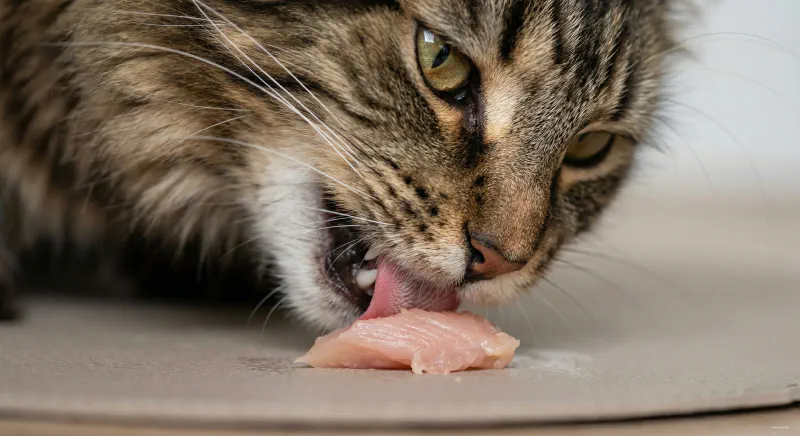
The protein must be digestible and complete, providing the full spectrum of amino acids, especially Taurine. Taurine is vital for cardiac health (preventing Dilated Cardiomyopathy, a concern in large breeds) and vision. Maine Coons often thrive on high-meat content foods, and some owners opt for partial or fully raw diets, provided they are balanced.
[AD-PLACEMENT-1-REPLACE-WITH-ADSENSE-SHORTCODE]
2. The Hydration Imperative: Wet vs. Dry Food#
Maine Coons have a naturally low thirst drive, a genetic trait likely inherited from their ancestors who derived most of their moisture from their prey. This low thirst drive, coupled with their propensity for urinary tract issues and kidney disease, makes moisture intake a top priority.
The Case for Wet Food#
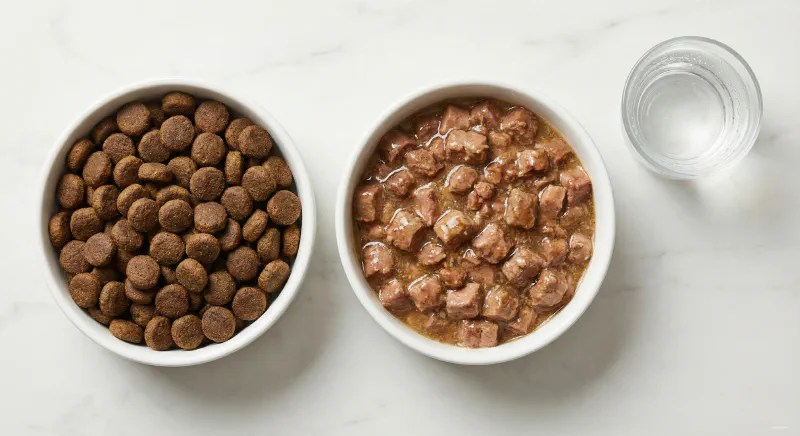
Wet food is the superior choice for a Maine Coon’s primary diet. Canned food contains 70-80% moisture, closely mimicking a natural prey diet.
| Feature | Wet Food (70-80% Moisture) | Dry Kibble (5-10% Moisture) |
|---|---|---|
| Hydration | Excellent. Directly supports urinary tract health. | Poor. Requires the cat to drink significantly more. |
| Weight Management | Higher protein, lower carbohydrates, aids satiety. | Higher in carbohydrates, easier to overfeed. |
| Oral Health | No significant advantage over dry food for tartar control. | Minimal, often overstated, mechanical benefit. |
Hydration Strategies#
If dry food must be used (e.g., for puzzle toys or free-feeding), it must be supplemented with a strong hydration plan:
- Fountains: Maine Coons often prefer drinking running water. A recirculating water fountain encourages drinking far more effectively than a still bowl.
- Water Supplements: Adding a teaspoon of tuna water, low-sodium broth, or a specific pet hydration supplement to water bowls can increase appeal.
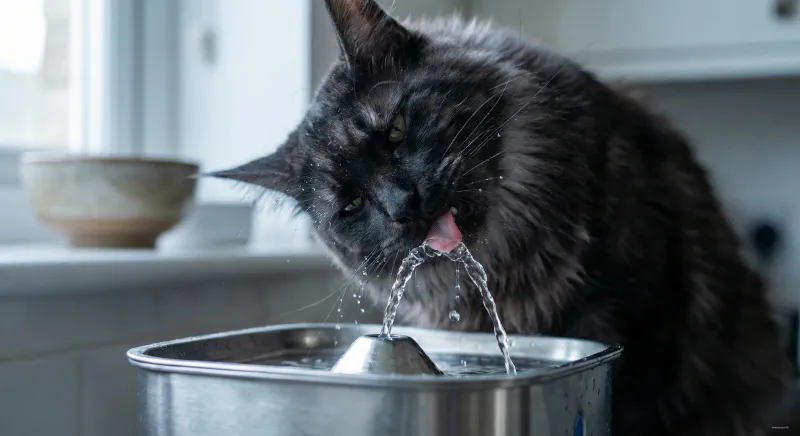
(Keep your Maine Coon hydrated and healthy with our top-rated pet fountain below)
[AMAZON-PRODUCT-BLOCK-1-REPLACE-WITH-AMAZON-SHORTCODE]
3. Feeding Through Life Stages#
A Maine Coon’s energy and nutrient needs change dramatically from kittenhood to senior status.
Kitten Stage (0-18 months)#
This is the most critical growth phase, demanding high calories, protein, and calcium/phosphorus balance for bone development.
- Focus: Growth-formulated food high in DHA (an Omega-3) for brain and vision development. Do not switch to adult food too early; they may need kitten food for up to 18-24 months.
Adult Stage (2-8 years)#
Energy needs stabilize. Focus shifts to maintenance and muscle preservation.
- Focus: Weight management is crucial. Obesity in large breeds accelerates joint problems (like The Health Paradox: A Comprehensive Veterinary Guide to Maine Coons), so controlled portions are vital.
Senior Stage (8+ years)#
Digestive efficiency may decrease, and focus must shift to kidney and joint support.
- Focus: Highly digestible protein. Supplements like Glucosamine and Chondroitin (often pre-mixed in senior food) are beneficial for their large joints. Regular blood work is mandatory to monitor kidney function.
[AD-PLACEMENT-2-REPLACE-WITH-ADSENSE-SHORTCODE]
4. Addressing Common Feeding Issues#
The Big Kibble Myth#
Many owners believe large kibble pieces are necessary for dental health. While large kibble can slow down a fast eater, the mechanical chewing action offers minimal dental cleaning benefits. The best way to ensure oral hygiene is regular brushing and professional cleanings.
Food Allergies and Sensitivities#
If your Maine Coon experiences chronic vomiting, diarrhea, or excessive itching, a food allergy may be present. The most common triggers are usually the protein source (chicken, beef, dairy).
- Solution: An elimination diet, guided by a veterinarian, using a novel protein source (e.g., duck, venison, or specialized prescription diets).
Conclusion#
Feeding a Maine Coon is about understanding their unique evolutionary design as an obligate carnivore and compensating for their ancestral lack of thirst. Prioritizing high-moisture, high-protein, and low-carbohydrate nutrition, paired with strategic hydration methods, is the most effective approach to supporting their impressive size, energy, and overall health. Consulting with a veterinarian to tailor a diet to your cat’s specific age, weight, and activity level remains the gold standard for responsible Maine Coon ownership.
🔗 References & Further Reading#
- Small Animal Clinical Nutrition (SACN). Nutritional Requirements and Feeding of Cats. (Definitive textbook on the obligate carnivorous diet and taurine requirements).
- Journal of Feline Medicine and Surgery. Impact of Water Intake on the Development of Feline Lower Urinary Tract Disease. (Research supporting the critical role of moisture in preventing FLUTD).
- Cornell Feline Health Center. Feeding Your Cat. (Veterinary overview emphasizing the importance of protein and the pitfalls of high-carb diets).
- National Research Council (NRC). Nutrient Requirements of Dogs and Cats. (Comprehensive data on necessary mineral and vitamin balances for feline growth and maintenance).